

VYSN

Lighting solutions

Inground Spotlights

Inground spotlights are the most architectural form of outdoor lighting — invisible by day, dramatic at night. They drop into the ground or paving flush with the surface and direct light upwards onto facades, trees, sculptures or walkways. VYSN inground fittings are rated IP67 (temporary submersion), have stainless steel surrounds for corrosion resistance, and many are drive-over certified for parking-area use.

IP67 inground LED spotlights for facade, garden and walkway lighting

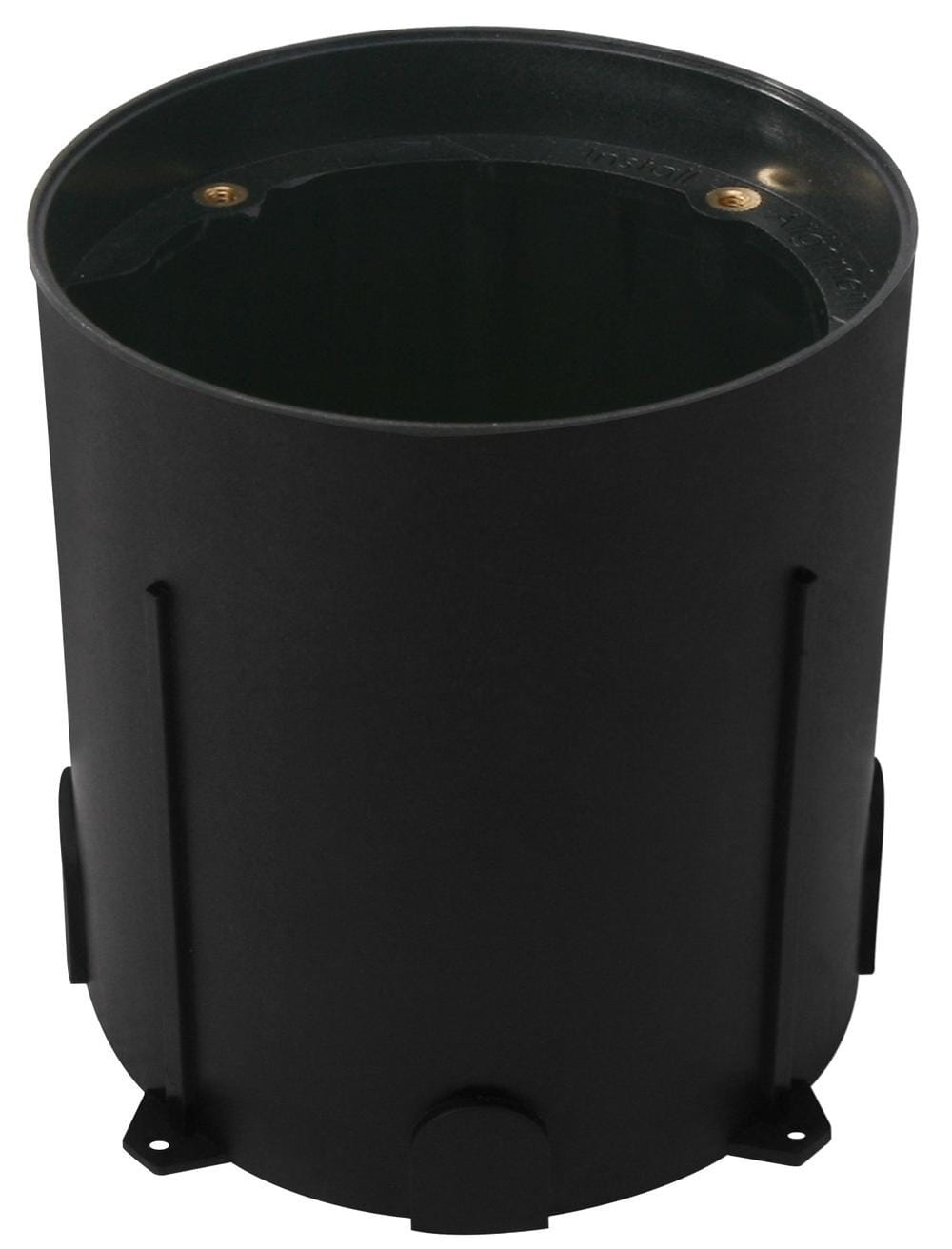
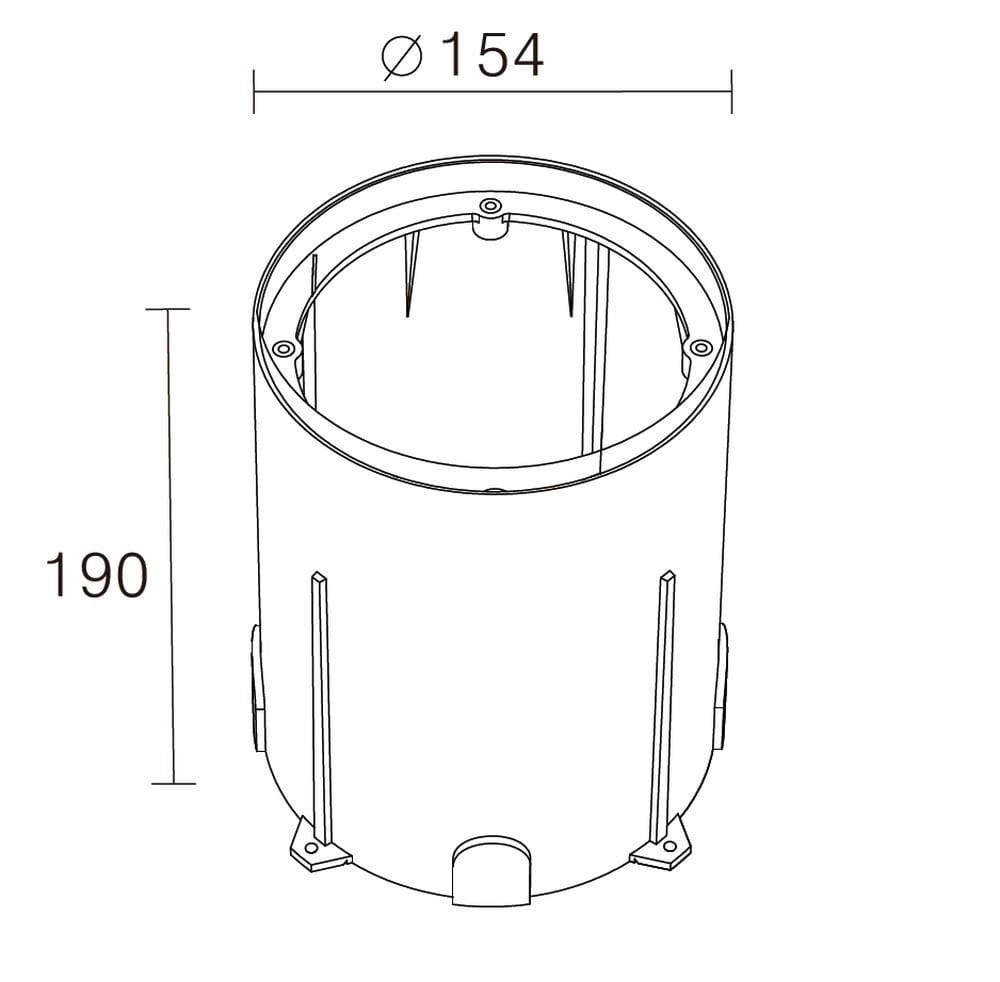
InGround mounting pot LInGround mounting pot L - Alternative view

InGround mounting pot L

€39.90

excl. Mehrwertsteuer

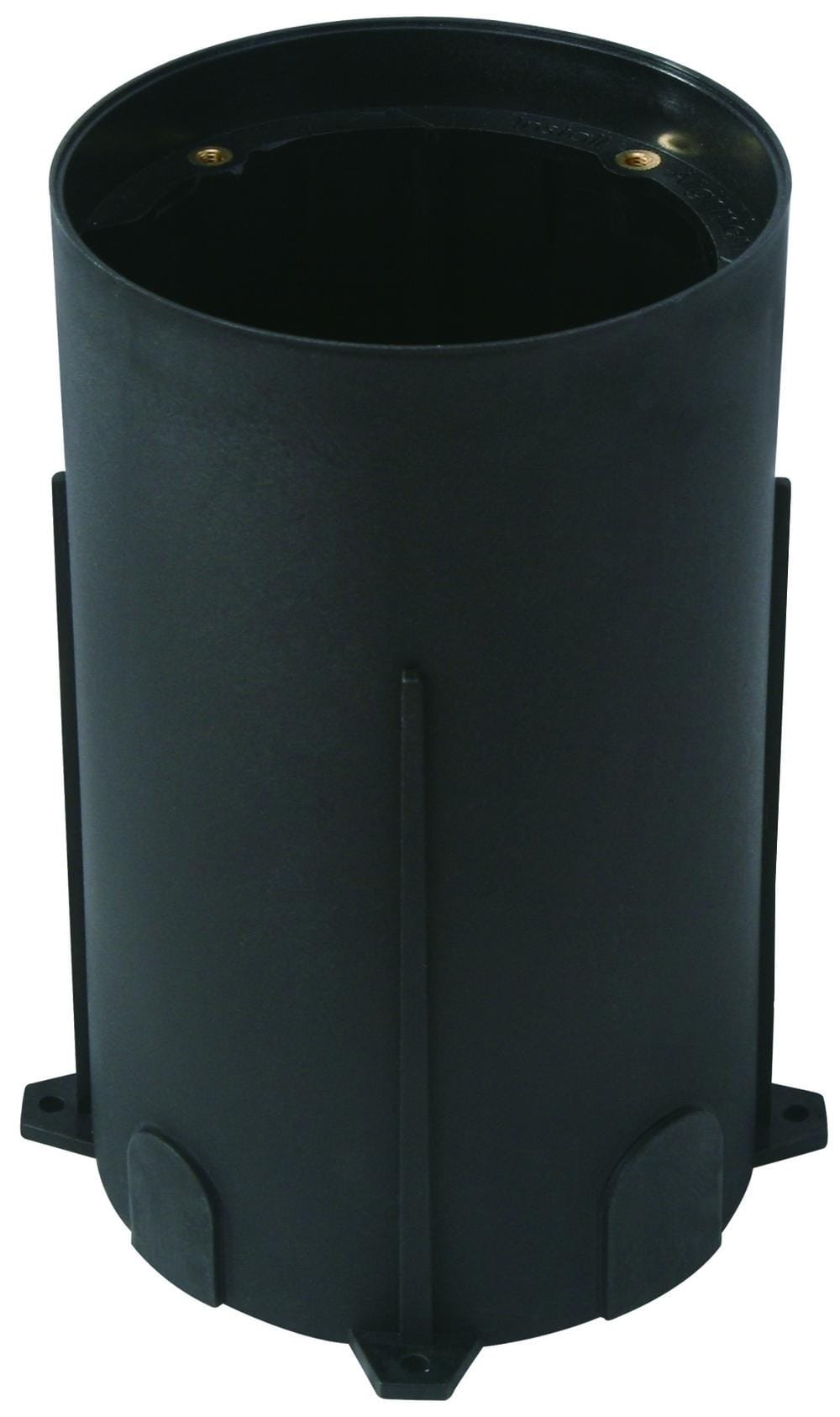
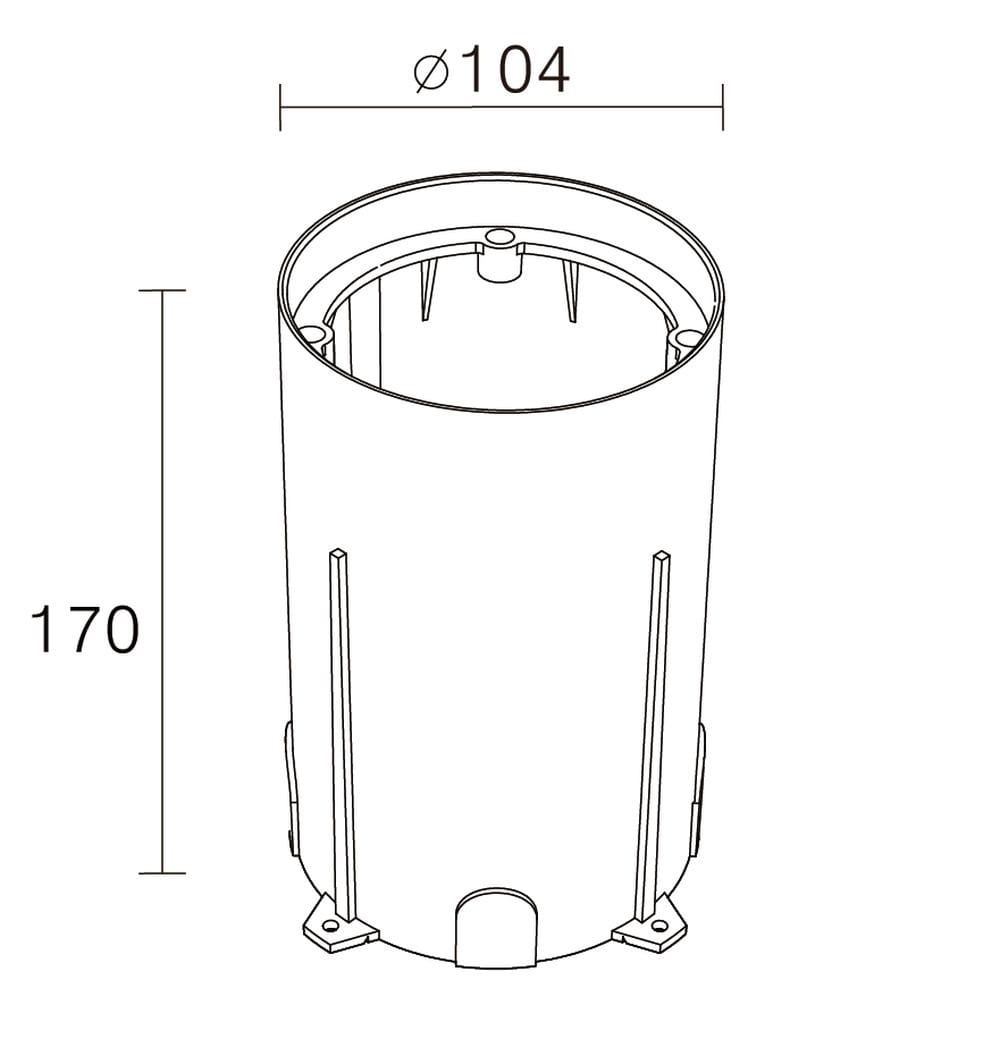
InGround mounting pot MInGround mounting pot M - Alternative view

InGround mounting pot M

€24.90

excl. Mehrwertsteuer

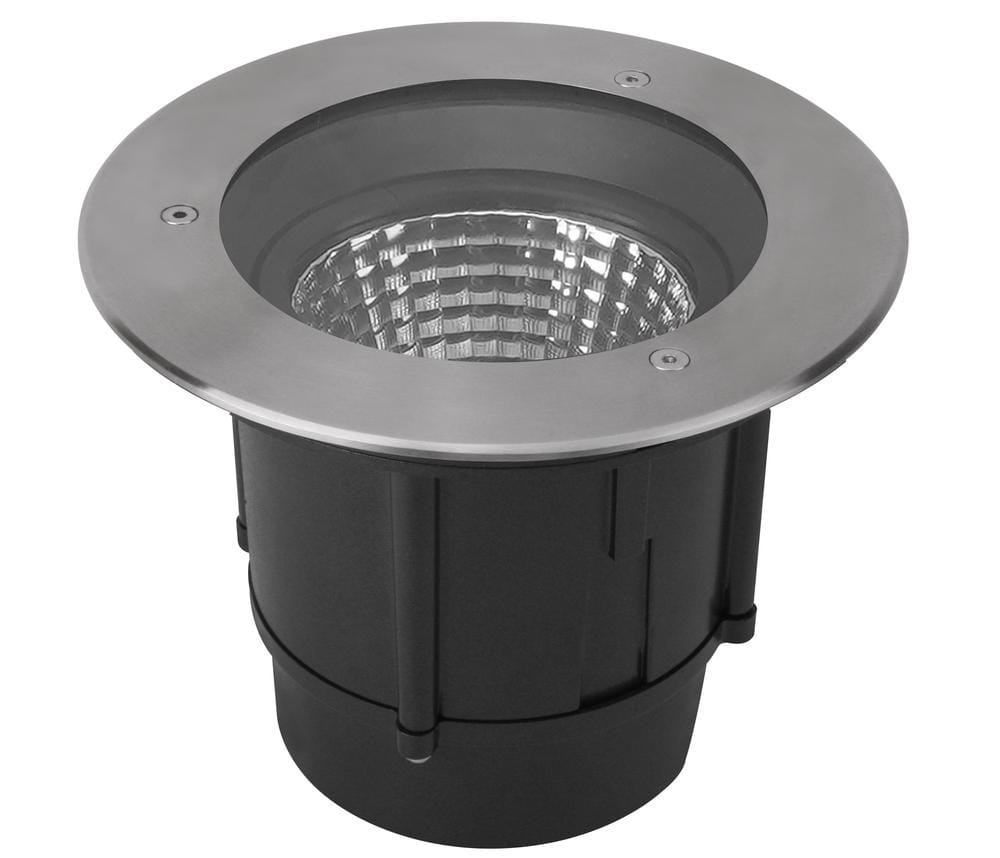
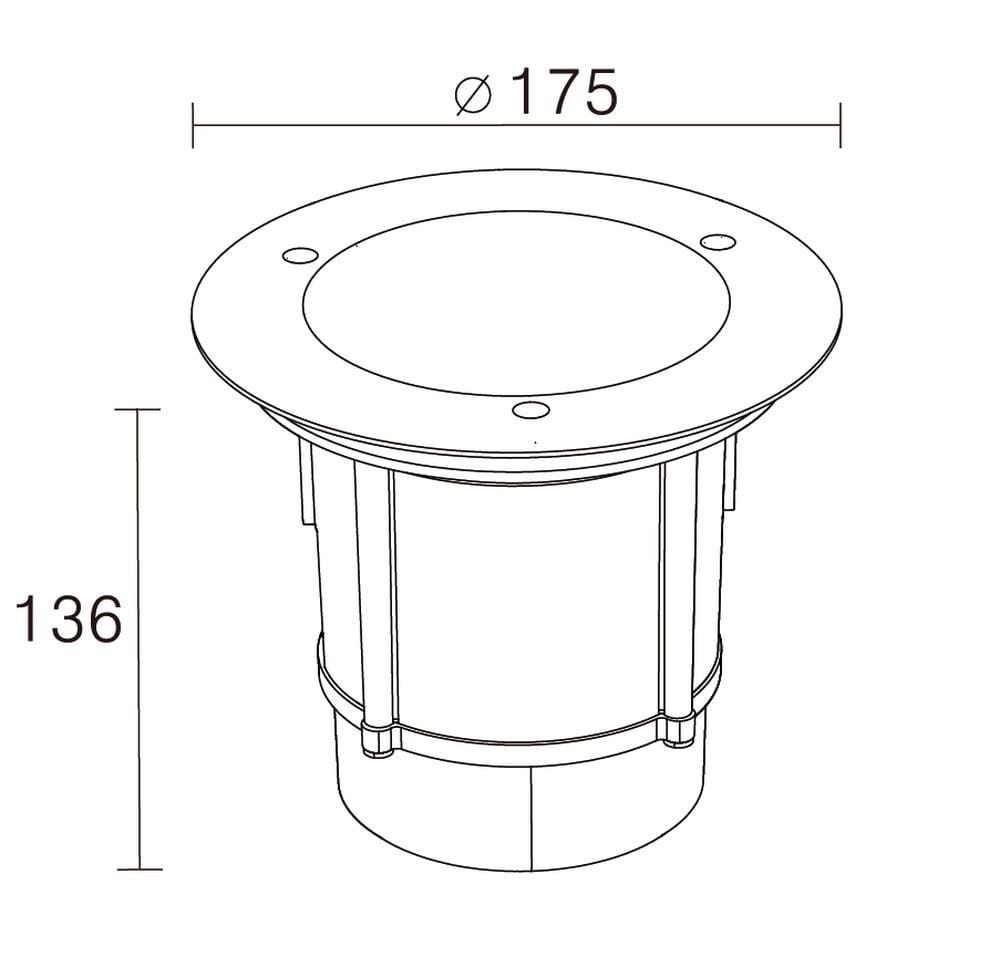
InGround Spot LInGround Spot L - Alternative view

InGround Spot L

€329.00

excl. Mehrwertsteuer

2 Varianten verfügbar

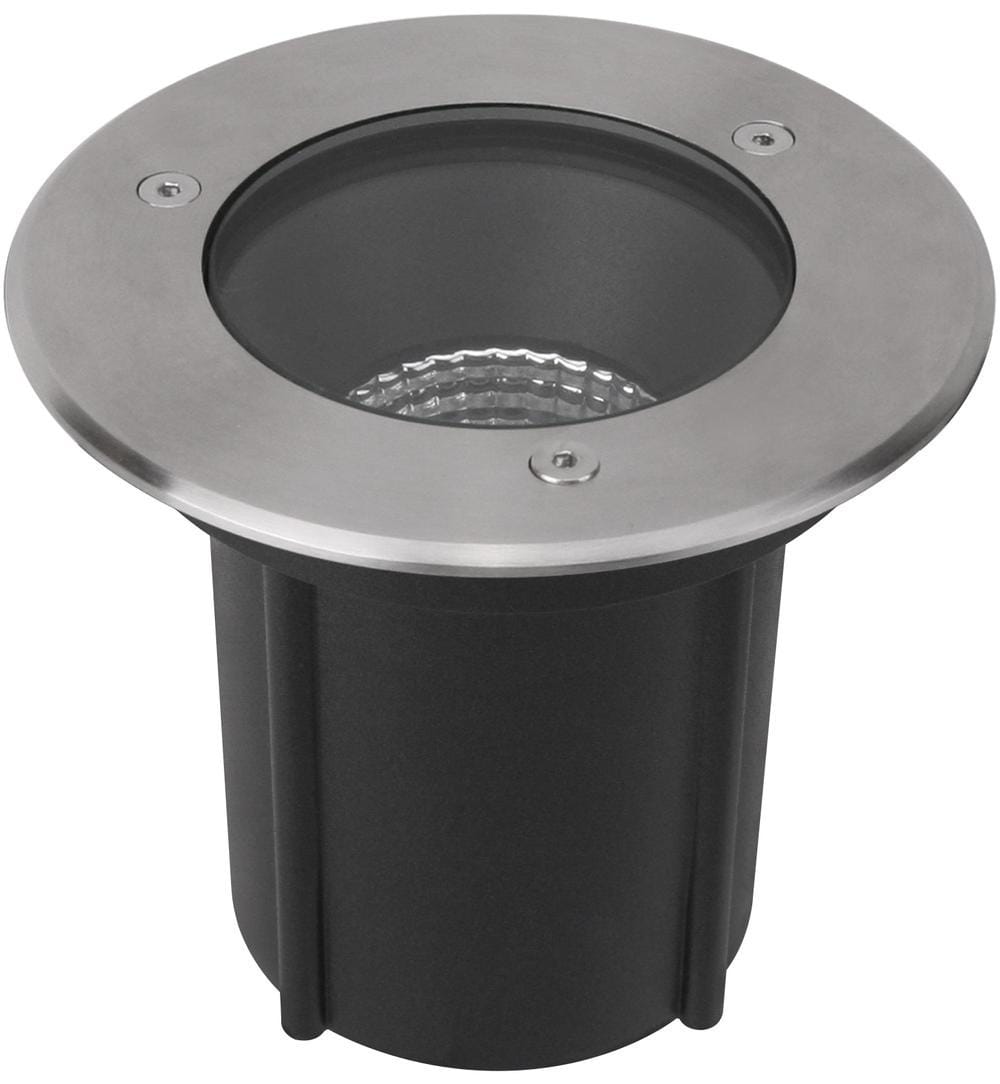
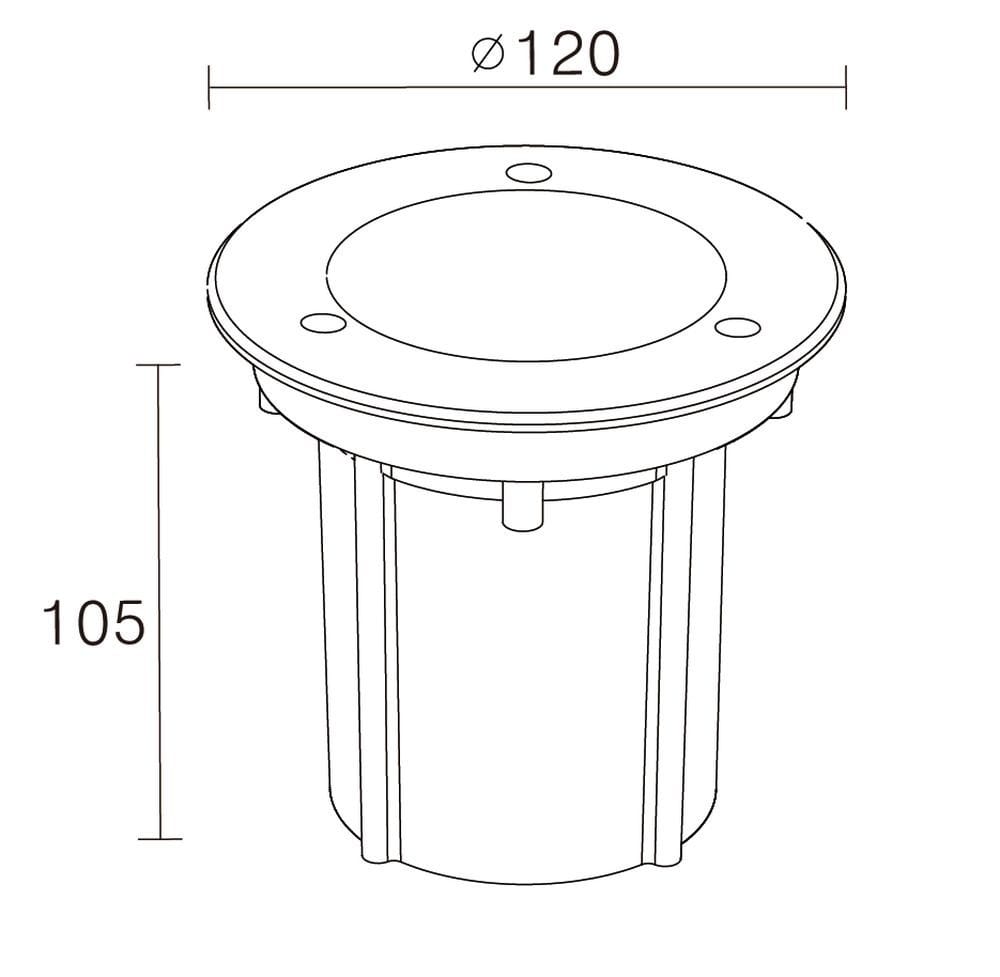
InGround Spot MInGround Spot M - Alternative view

InGround Spot M

€169.00

excl. Mehrwertsteuer

2 Varianten verfügbar

The wall-wash classic

The textbook use for an inground spotlight is to install it 20–40 cm in front of a facade and aim it straight up. The result is a vertical strip of light that grazes the facade material and shows off its texture. Narrow-beam fittings (≤ 10°) create a defined stripe; wide-beam (30°+) wash the whole wall evenly. Spacing between fittings is typically 1–2 metres for a continuous look.

IP67 vs IP65 — which do you need?

Inground installations are exposed to puddles, snow accumulation and irrigation water, so IP67 (temporary submersion 30 min at 1 m depth) is the realistic minimum. IP65 (jet-water resistant) works for fixtures that sit slightly above ground (e.g. on a planter edge) but should be avoided where standing water can collect.

Frequently Asked Questions

Can inground spotlights be driven over?+

Many can — VYSN inground fittings rated for vehicular load (typically up to 2,000 kg per fitting) are clearly marked in the product datasheet. Use these in driveways, courtyards and parking areas. Pedestrian-only fittings cost less but should be installed off the main walking path.

How hot do inground spots get?+

LED inground fittings run noticeably cooler than the halogen units they replaced — typically 40–55 °C surface temperature on a warm summer evening, vs 80 °C+ for halogen. Still warm to the touch, so don't install them where bare feet might land (around pool edges, on pathways used barefoot).

What about snow and frost?+

IP67-rated inground fittings handle freeze-thaw cycles without issue. Snow on top is a non-event — the LED dissipates enough heat to clear a small contact area. For Alpine installations or roads with heavy salt use, look at the corrosion-class rating: VYSN ships stainless steel A2 as standard and A4 (marine grade) on request.